Lucky Tempo
A flexible archetype that curves out steady threats while banking on favorable draw odds for tempo swings. Ideal for players learning how to manage card advantage and board presence.
Deck Building Strategies · Fantasy Card Battle Game
Dive deep into deck building strategy for Jackspott, the dark-fantasy fantasy card game that mixes tactical gameplay, deck-building finesse, and high-stakes combinations. Learn how Poland's top players design their card battle game decks for ranked play.
Jackspott is built around deck building strategy and probability-driven tactical gameplay. Every match becomes a puzzle of odds, card sequencing, and risk vs. reward decisions. The right deck transforms the game's built-in card randomness into controlled, high-value plays.
This perfectly fits the "Jackspott" concept: you push your luck with powerful combos, manipulate the odds of your next draw, and line up winning hands that feel like hitting a magical jackpot—without being gambling or betting. It's pure, competitive strategy in a dark-fantasy casino of spells, blades, and enchanted cards.
Explore the most popular deck archetypes—each with unique fantasy themes, card interactions, and difficulty levels, suitable for both beginners and advanced tacticians.
A flexible archetype that curves out steady threats while banking on favorable draw odds for tempo swings. Ideal for players learning how to manage card advantage and board presence.
Built around explosive multi-card combos that feel like hitting a magical jackspott. Managing odds, tutors, and draw filters is critical to reliably assembling your finishing sequence.
A reactive archetype for patient strategists. You manipulate probability-based answers, stack removal, and disruption to slowly lock out opponents and win the long game.
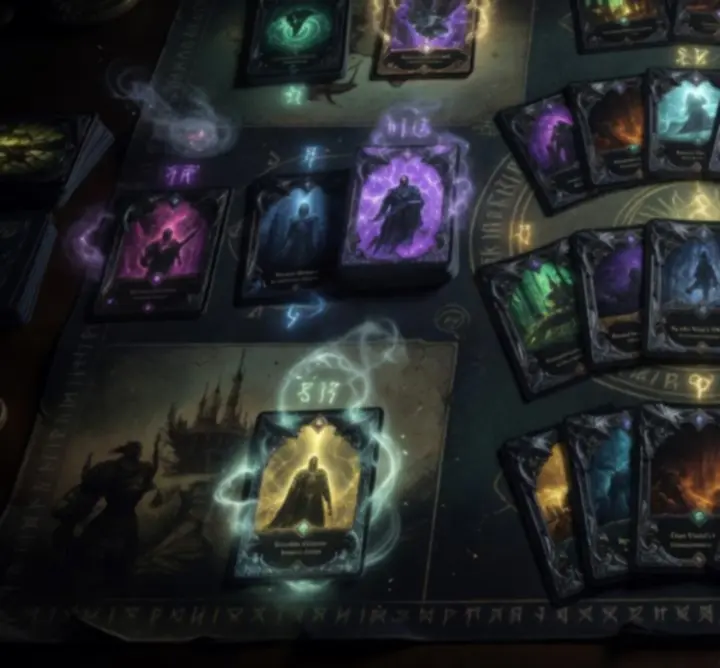
Study real deck lists and understand the reasoning behind every inclusion, slot, and tech choice.
This list blends fast pressure with a three-card finisher that converts excess hand size into direct damage. The pilot leverages probability curves to keep low-cost cards in opening hands while preserving combo pieces in the mid-game.
| Role | Card Type | Key Idea |
|---|---|---|
| Opener | 1–2 cost creatures | Secure early board to chip damage and force inefficient answers. |
| Engine | Draw / cycle spells | Thin the deck, increasing odds of combo assembly by turn 6–7. |
| Closer | Premium finisher set | Convert a wide hand plus gold tokens into lethal burst. |
A slower list tuned for best-of-three matches. It runs a high density of removal and disruption while reserving sideboard slots for meta-specific counters—perfect for Poland's competitive events.
The pilot tracks draw odds of each answer type to ensure at least one stabilizing card in the top 12 cards, using scry and mulligan rules aggressively to tilt randomness in their favor.
To go deeper into piloting these lists, explore matchup breakdowns and sideboard notes inside the Tips & Guides section.
New to Jackspott or to fantasy card game strategy in general? This framework will help you assemble a solid first list that can climb ranked, without requiring a full premium collection.
Even at beginner level, thinking in probabilities makes your deck building strategy much more reliable. A simple rule: if you want a specific card by turn 3 in most games, you usually need 6–8 copies of that effect spread across similar cards.
The more redundant effects you include, the higher your effective chance of drawing a playable hand, turning randomness into predictable tactical gameplay.

Go beyond basics with combo engineering, probability-driven tuning, and counterplay against the evolving ranked meta in Poland.
Advanced Jackspott decks chain multiple spells, triggers, and premium cards into a single, decisive turn. Your job is to minimize the number of specific pieces required while maximizing overlapping synergies.
Treat your list as a probability engine. Every copy count change shifts the odds of hitting the right card at the right moment.
Top players in Poland constantly adapt to what they face on ladder. Your deck should incorporate targeted answers while maintaining its core game plan.

Jackspott intentionally blends luck mechanics with deep, skill-based decision-making. You draw from a shuffled deck, but every card you include shapes the probability landscape of your future turns.
Strong Jackspott decks are built over dozens of games. Systematic testing turns hunches into hard data.
Keep a simple log of each match: opponent archetype, result, key cards drawn, and any turn where you felt "forced" by a bad draw or misplay.
Change only a few cards between test batches. This keeps your data comparable and reveals which tweaks genuinely improve your win rate.
Share lists and replays with Poland's online strategy community. External feedback often spots blind spots in your game plan.
For collaborative tuning and scrim partners, head over to the Community page and join ongoing testing groups.

Premium cards in Jackspott are more than cosmetic upgrades. Many introduce unique mechanics or amplified effects that reshape deck building strategy and reward skilled play.
Premium Relic · Combo Enabler
Doubles your next triggered effect when played from hand, turning modest synergies into devastating finishers. Ideal for Jackpot Combo archetypes.
High-risk, high-rewardPremium Location · Control Anchor
Slowly generates phantom blockers while taxing enemy spell costs. A cornerstone of long-game control decks on PC and mobile.
Late-game inevitabilityPremium Champion · Tempo Threat
Gains stacking power whenever a chance-based effect resolves in your favor, embodying the "Jackspott" fantasy of streaking lucky turns backed by smart setup.
Synergizes with luck mechanicsRemember: premium cards do not turn Jackspott into a pay-to-win experience. They unlock new lines of play, but strong fundamentals and tactical gameplay remain the true path to victory.
Jackspott's Poland-based community regularly hosts creative deck-building events that celebrate innovation, storytelling, and smart use of the game's card battle game systems.
Theme: High-variance decks that still win consistently.
Participants were required to include at least 10 chance-based cards, then stabilize their odds with clever tutors and redraw effects. Winning lists showcased how to balance chaos with structure.
Theme: Competitive decks on a strict crafting budget.
Players proved that with sharp deck building strategy, commons and rares can dominate ranked queues—perfect for new players entering the fantasy card game scene.

Continue your journey with in-depth game guides, mechanics breakdowns, and class synergies tailored for competitive players in Poland.